Water Supply in Emergency Situations: A Lifesaving Resource in Times of Crisis
When disasters like Hurricane Helene strike, there’s one resource that becomes absolutely vital for everyone—water. Whether you’re a first responder rushing to save lives or a family seeking refuge in an evacuation center, clean drinking water can mean the difference between life and death. In times of crisis, access to safe, potable water becomes a top priority for not only residential needs but also for large-scale operations like hospitals, shelters, and food assistance programs.
Imagine you get a notification for “Upcoming Storms Near Me”. You quickly run through what supplies you currently have. It’s easy to prepare for the basics: food, flashlights, and batteries. But water? You don’t usually think about how important it is until it’s not there. And that’s where things get tricky, especially in massive disasters.
Emergencies require community effort. If you work with a hospital, evacuation center, response team, or non-profit, getting a steady supply of potable water is vital.
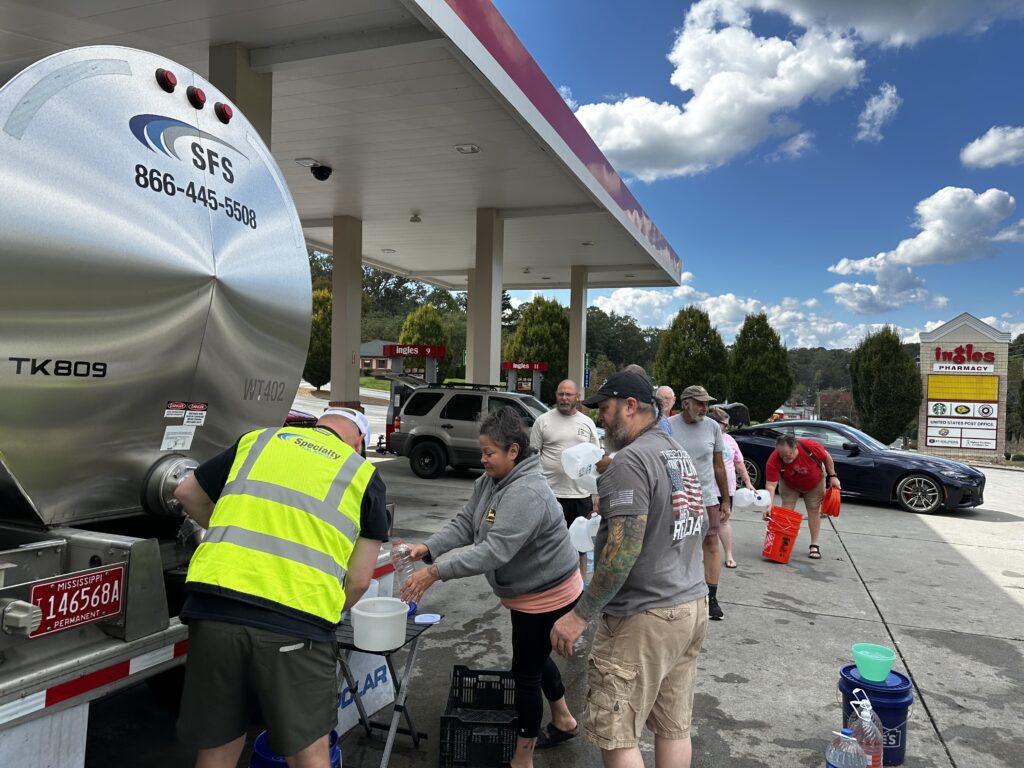
Clean Water for Hospitals and Response Teams
When Hurricane Helene hit, it didn’t just knock out power or flood streets; it wrecked infrastructure. Without power, water filtration systems fail, and before you know it, the tap water isn’t safe to drink.
Hospitals are on the front lines of this battle. They’re already overwhelmed, dealing with injuries and critical care for storm survivors. But without a clean water supply, they can’t function. Imagine a hospital unable to sterilize equipment, or worse, unable to offer drinking water to its patients.
Response teams face similar challenges. The Red Cross, for example, is one of the first organizations to arrive on the scene during a disaster. But even the most well-prepared team can’t do their job without water. Whether it’s to hydrate volunteers working 24/7 or to provide immediate relief to victims, clean water is essential for both. Nonprofits and relief organizations like the Salvation Army also lean heavily on a steady flow of potable water as they distribute aid to affected populations.
That’s where companies like Specialty Fuel Services come into play. They provide emergency bulk water delivery, which is crucial in situations like Hurricane Helene. These companies have fleets ready to transport clean, drinkable water to where it’s needed most. They ensure that the hospitals and response teams don’t run dry, and they’re often the unsung heroes in the midst of a crisis.
Water for Evacuation Centers and Shelters
The need for potable water during a hurricane doesn’t stop at hospitals. Evacuation centers and shelters quickly become safe havens for thousands of displaced residents. These places fill up fast, sometimes within hours of a storm warning.
Imagine being packed into a shelter, with families huddled together, each hoping to ride out the storm safely. Now imagine what happens if the water supply at these shelters runs out or becomes contaminated. Without clean water, these centers can quickly turn into health hazards.
Shelters rely on organizations like the Red Cross and the Salvation Army to help maintain order and provide resources, but they also need clean water supplies to keep operations going. It’s not just about drinking water—evacuation centers need water for basic hygiene, cooking, and cleaning. A shelter running on empty means people are at risk of dehydration, and with poor sanitation, diseases can spread like wildfire.
That’s why emergency water services are critical. They deliver bulk potable water to large-scale evacuation centers and shelters, ensuring they remain functional and safe for everyone seeking refuge.
Supporting Nonprofits and Food Assistance Programs
Nonprofits such as World Central Kitchen play a pivotal role in disaster response by providing hot meals to families who have lost everything.
Picture this: a massive storm has just torn through your town, and everything is soaked or swept away. Power’s out, food is spoiling, and you’re hungry. That’s where World Central Kitchen steps in. They show up ready to feed those affected, but they also need clean water to prepare meals. Without it, even the most well-intentioned efforts fall short.
Food assistance sites like the Central and Eastern North Carolina Food Bank are another vital lifeline. After a hurricane, many people lose their homes or jobs and need immediate help with basic needs like food and water. These organizations count on large-scale water deliveries to ensure they can continue to serve thousands of people in the aftermath of disasters like Hurricane Helene.
By making sure food banks, kitchens, and other aid providers have access to potable water, emergency service companies help keep people nourished during tough times. It’s not just a matter of convenience—clean water for cooking and drinking helps prevent the spread of disease, keeping survivors healthy as they begin to rebuild their lives.
Specialty Fuel Services and Emergency Water Supply
When storms hit, especially ones like Hurricane Helene, response teams, non-profits, and public services all need to move fast. Water is always a high-priority item, and it’s not something you can just find lying around when everything’s flooded or contaminated.
Specialty Fuel Services is one of the companies that’s helping to meet this need by offering large-scale emergency bulk water delivery. They step in where regular water systems fail, delivering truckloads of clean water to hospitals, shelters, and distribution points.
Imagine driving through a flooded street with nothing but devastation on both sides. Power lines are down, cars are submerged, and the air is thick with tension. Then, you see a fleet of trucks hauling clean water toward an evacuation center. That’s how Specialty Fuel Services keeps things running, ensuring that every part of the relief effort has the resources it needs to keep people safe and hydrated.
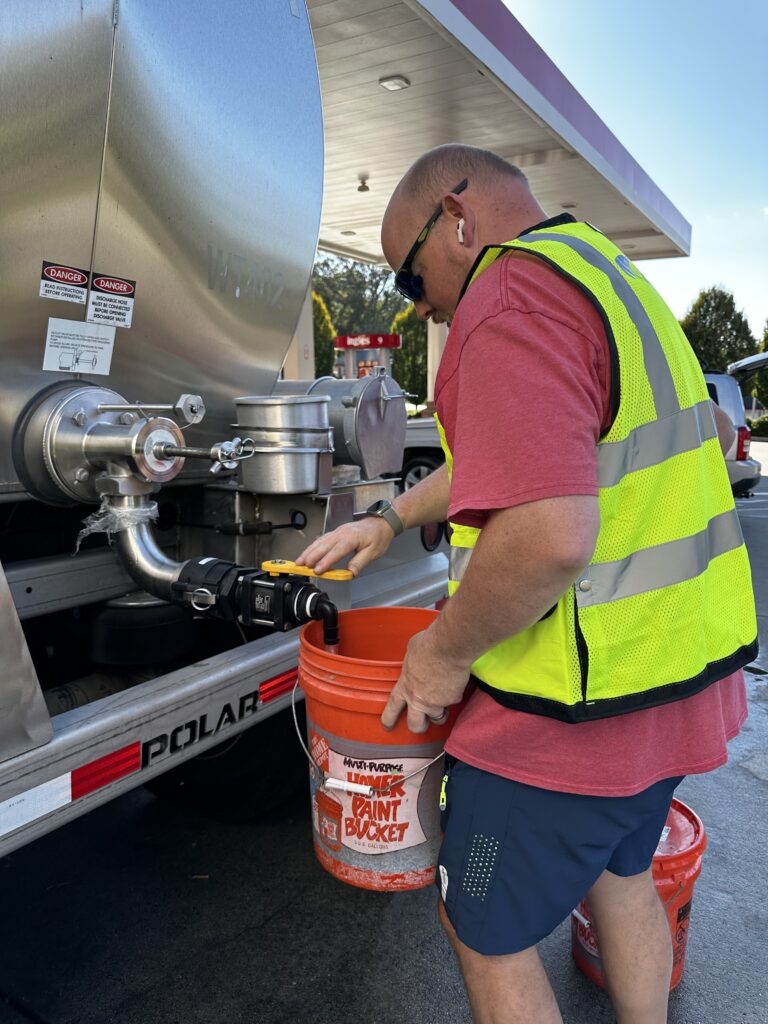
Why Clean Water is Critical for Emergency Situations
Clean water is one of the most critical components in any disaster response. It doesn’t just hydrate—it helps maintain basic hygiene, prevents the spread of disease, and enables relief organizations to cook, clean, and provide essential services. When natural disasters strike, the importance of water supply in emergency situations skyrockets. It’s easy to overlook how much we depend on a safe water supply in our day-to-day lives until it’s suddenly gone.
When Hurricane Helene ripped through communities, relief organizations, including the Red Cross and Salvation Army, mobilized to provide aid. They offered shelter, food, and medical care, but none of that would have been possible without a reliable source of clean water. Companies that provide emergency services work hand-in-hand with relief organizations, ensuring that every part of the emergency response has enough water to function.
Preparing for the Next Storm
You never know when the next storm will hit, but you can be sure that when it does, water will be one of the first things to go. Having an emergency plan that includes water is vital, whether it’s for your home, your community, or larger organizations. Relief organizations, shelters, and hospitals all need to stock up or have a plan in place for bulk water delivery.
You don’t want to be caught off guard. Checking the weather and preparing emergency supplies can make all the difference. Clean water is the foundation of any disaster preparedness plan, and when the storm hits, you’ll be glad you thought ahead.
In the end, the success of any emergency response hinges on access to clean water. Whether it’s provided by specialty companies or handed out by non-profits like World Central Kitchen, water keeps everyone moving forward in the face of catastrophe.
Conclusion
When Hurricane Helene or any other natural disaster strikes, organizations from hospitals to shelters need an immediate supply of potable water to ensure they can continue saving lives. Specialty companies like Specialty Fuel Services are crucial in providing emergency bulk water delivery, ensuring that relief efforts can keep moving forward, no matter the storm’s severity.
Don’t wait until it’s too late—partner with Specialty Fuel Services for your large-scale water needs and ensure that when the next storm hits, you’re fully prepared to keep your operations running and lives protected.
Visit these links for more info: